Sophie Straat is Guest Curator of Brainwash Festival 2026
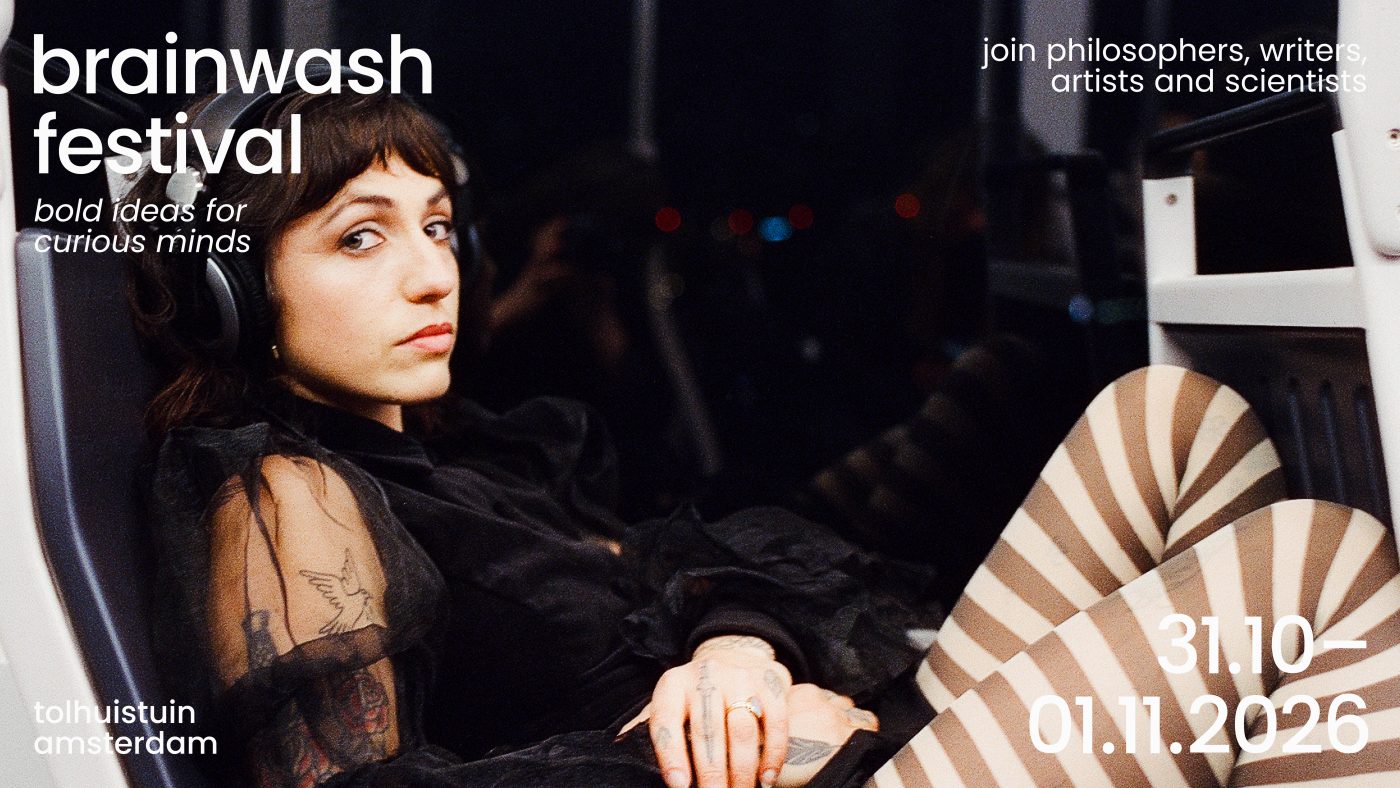
Music can comfort, but it can also unsettle. Sometimes it is an outlet, sometimes a mirror. And increasingly, it is a form of resistance. What happens when listening turns into participation? This year, Sophie Straat is guest curator of the Brainwash Festival.
who the f** is sophie straat?
You may know her as the queen of the modern Dutch torch song, as the organizer of the activist festival Protestfest or from the infectious Vrijheid, Gelijkheid, Zusterschap (Freedom, Equality, Sisterhood).
Wherever Sophie takes the stage, she disrupts, connects and moves audiences. Through her music, she navigates the space between the torch song and the protest song, between vulnerability and anger. A critique of the system, but one you can sing along to.
This year, Sophie Straat is curating part of the festival programme on both festival days. Expect a glimpse into her way of thinking, new narratives, and above all: a complete overturning of the things we think we know for certain.
Sophie Straat graduated from the Royal Academy of Art in The Hague with the EP ’t is niet mijn schuld (It’s Not My Fault), which earned her an Edison Award. This was followed by Smartlap is niet dood (The Torch Song Is Not Dead), Gebroken Spiegels (Broken Mirrors) with the Metropole Orchestra, and her latest album Wie de fak is Sophie Straat (Who the F** is Sophie Straat*), where identity and systemic critique come together through punk, breakbeat and even a touch of bossa nova. She has collaborated with artists including Goldband, Wende, Ploegendienst and Meetsysteem.
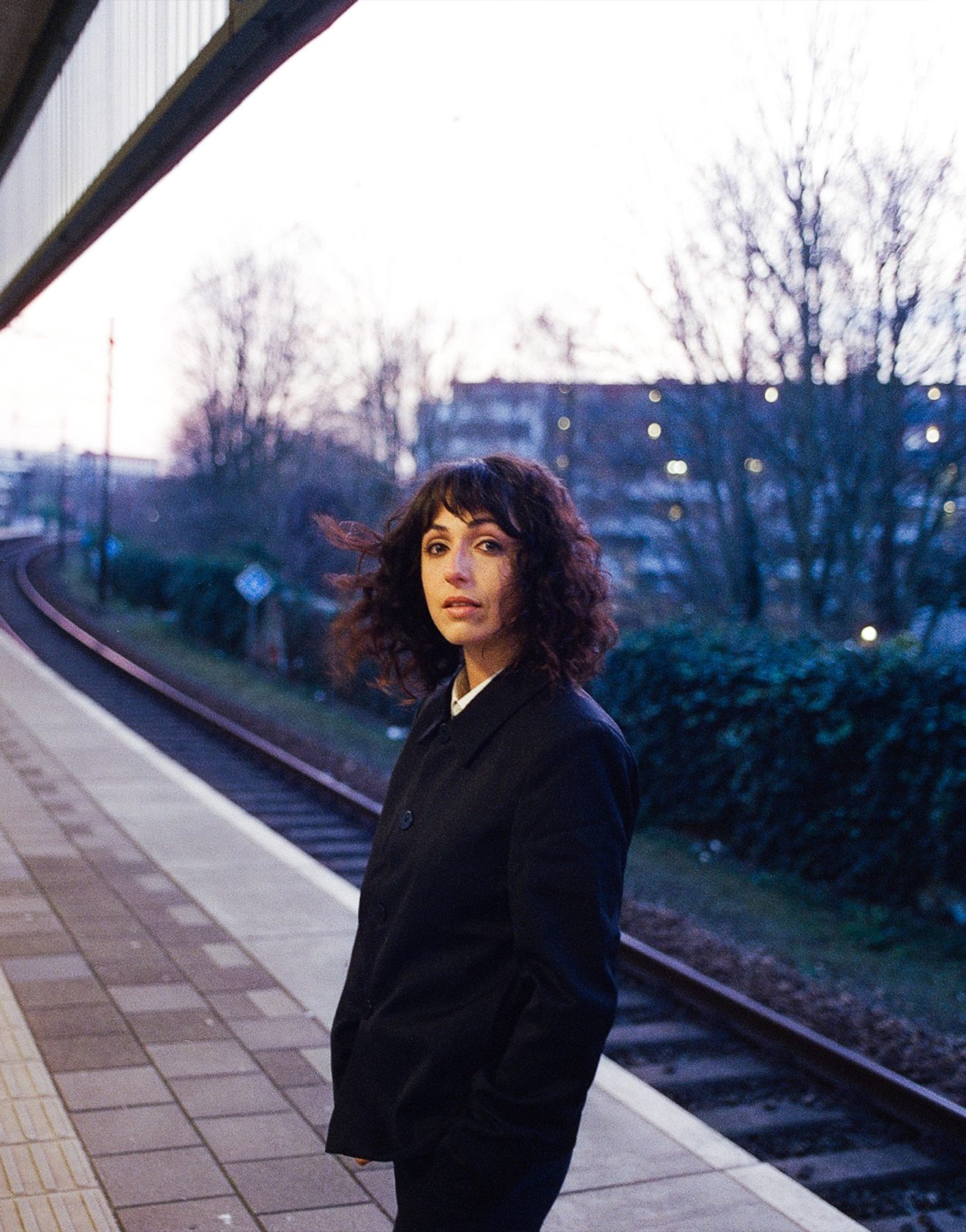
We spoke with Sophie about the state of the world, the shape of us, and the important conversations of our time.
The theme of Brainwash Festival 2026 is the shape of us. What does this theme mean to you?
It means many things to me. I think a lot about the importance of autonomy, but also about its downside. From a very young age, we are taught that we have to compete with everyone else. We are systematically assessed through grades and performance measures, all to ensure that we make something of ourselves. Rebelling against that became my identity. Isn’t that ironic? Resistance is also an individual project. Forming an identity, whatever kind of identity, means seeing yourself as an individual rather than as part of a collective. Yet, in the end, taking responsibility is about more than just your own future.
What do you hope to bring to Brainwash Festival as guest curator?
I think I want to offer a different narrative, one that we can all help build together. Music and art have a cultural function that goes beyond entertainment. They shape our imagination, our relationships, and the way we understand reality. In other words, our perspective. I want to help create a culture in which we make use of our capacities as human beings. A narrative that encourages us to look critically at the system, to question it, and above all, not to take it for granted.
Which conversations do you think we really need to have in the Netherlands?
We need to talk about what it means to have a voice. And about how important it is to push back against one-sided narratives. Knowing who you are and what you stand for allows you to become aware of your position, and to use that position to create change. From there, you can start asking questions. For example, about the language we use to describe and understand the things we experience. And beyond that: who gets to participate? Is there room for a process? For reflection?
What gives you hope when you look at how people live together today?
There was a specific moment two years ago during the student protests in Amsterdam, when the Binnengasthuis – a University of Amsterdam building – was occupied. The protesters demanded that the university disclose and sever its ties with Israeli organizations. For the first time in my life, I felt a sense of revolution. It genuinely felt as though we were accomplishing something together.
If festival visitors were to listen to just one of your songs before attending Brainwash Festival, which one should it be?
Om 6 gaan we eten (We Eat at Six). The song is about the banality of everyday life. It questions what we are doing while major events such as genocide and war are taking place. When feelings of powerlessness take hold, the only thing you can do is take action. Protest. And when those kinds of actions become criminalized, there comes a point when you return home after being arrested. Back in your house, surrounded by all your belongings, everything seems normal again, and suddenly it is time to think about what you are going to cook for dinner. The song questions everyday life itself: how to enjoy it, but also how to grieve it.
Listen to Sophie Straat on Spotify and follow her on Instagram!
Learn more about Brainwash Festival >>
Get your tickets here >>
Sophie Straat is Guest Curator of Brainwash Festival 2026
Music can comfort, but it can also unsettle. Sometimes it is an outlet, sometimes a mirror. And increasingly, it is a form of resistance. What happens when listening turns into participation?This year, Sophie Straat is guest curator of Brainwash Festival.
Brainwash moves to Tolhuistuin
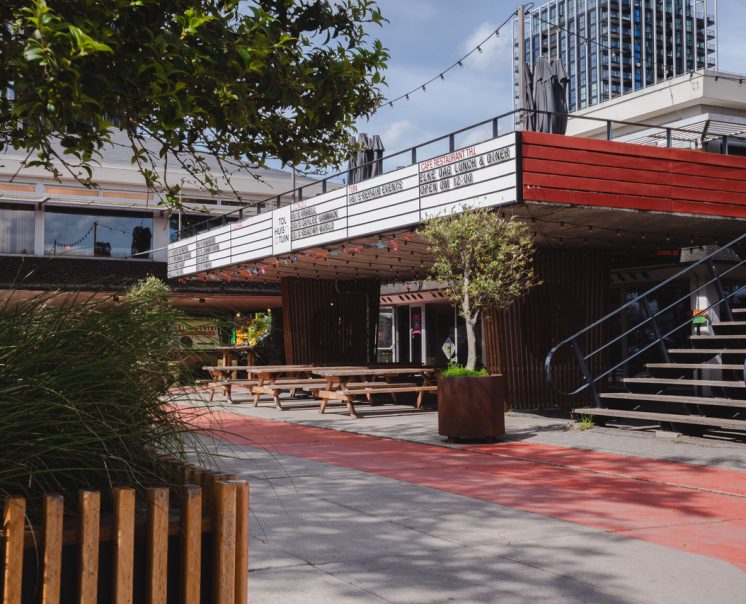
From 2026, Brainwash Festival will have a new home. The next edition will take place at Tolhuistuin in Amsterdam-Noord. At the same time, the festival’s dates are also changing. Brainwash Festival will take place on 31 October and 1 November 2026. Will you be moving with us?
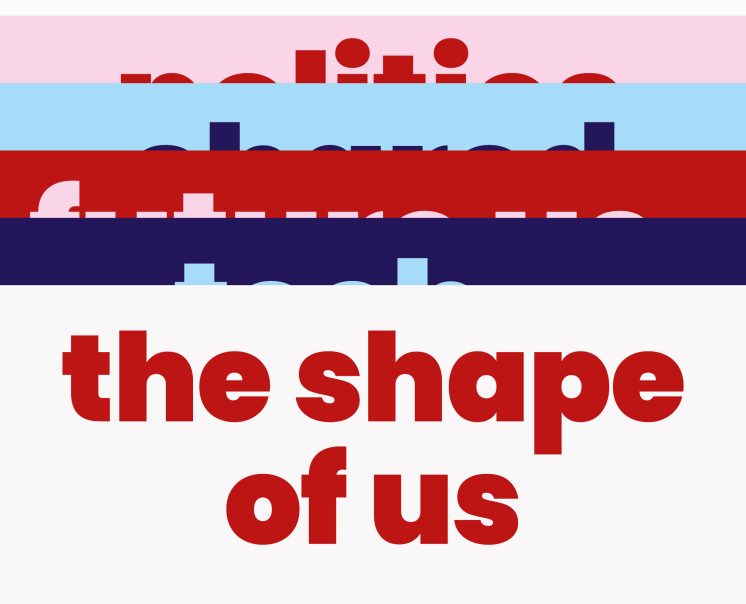
the shape of us
However much we might like to believe we can manage on our own, we need one another. Perhaps more than ever, in this world full of forces that drive us apart. It is precisely along these fault lines that new perspectives emerge. Visions of the future that set us in motion.